- Mar 24
Shaking Off the Winter "Survival Mode"
- Felicitas von Neumann-Cosel
- 0 comments
As we navigate the final stretch of winter, the anticipation of spring often clashes with the reality of frozen ground, endless mud, and freezing temperatures. Our horses feel this lull, too. Between limited arena access and winter-related setbacks like pulled shoes or "stocking up," consistent training often takes a backseat.
During these colder months, many horses enter a "survival mode" where they brace against the elements, drop their backs, and stop engaging their thoracic sling. This posture leads to stiffness and a loss of that athletic, upward lift.
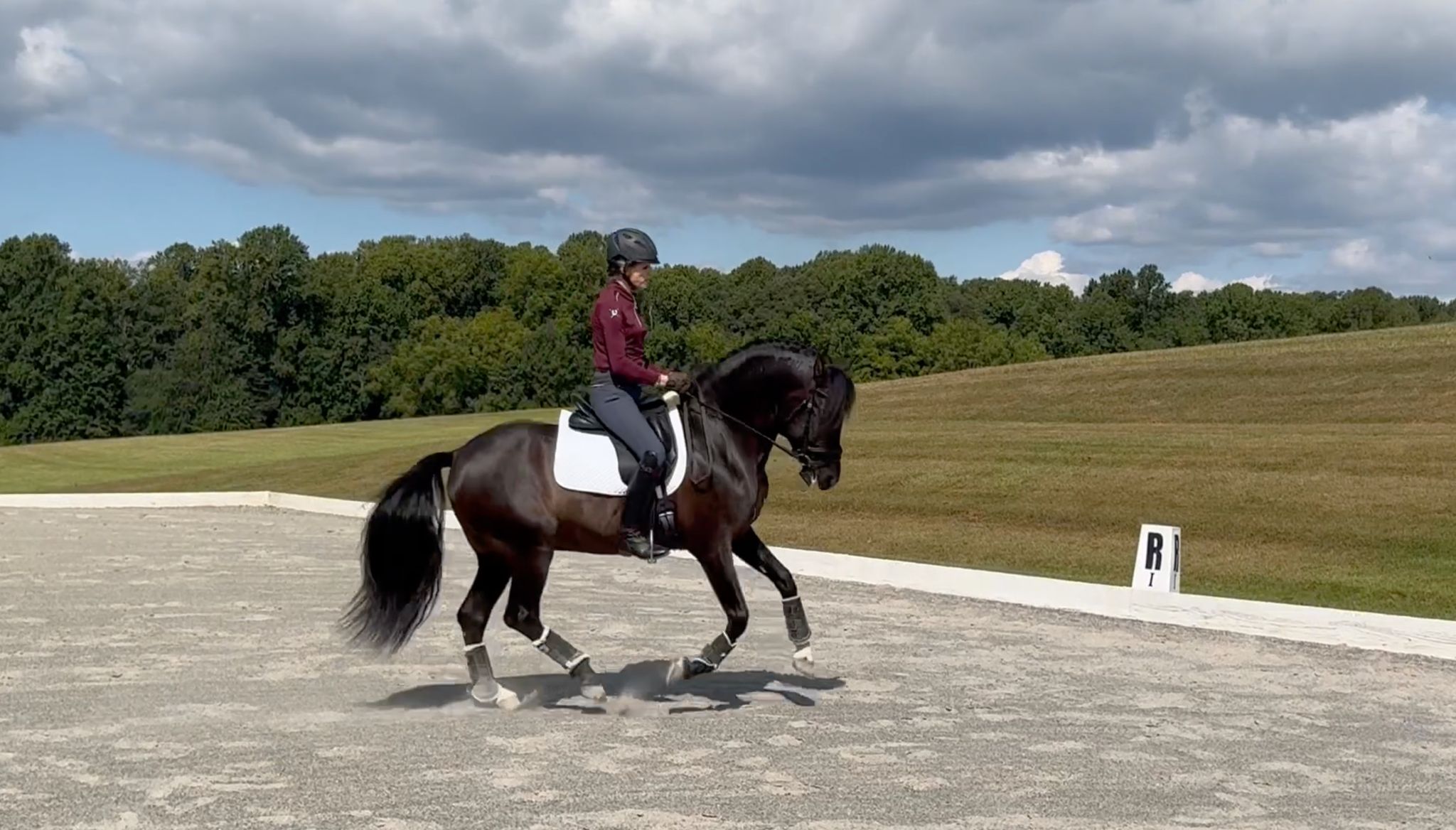
A purposeful warmup is your best defense against winter stiffness. By prioritizing rhythm and straightness early in the ride, you pave the way for suppleness and, eventually, collection. Frequent, low-stress transitions are an invaluable tool for helping a horse rediscover their balance; they encourage the horse to re-engage their core and lift through the withers without the physical strain of advanced collected work.
This Months Challenge
Progressive Transitions
To challenge your horse’s balance without needing a full-sized arena, try this sequence of trot-canter-trot transitions on a 20-meter circle:
The Full Circle: Transition to canter as you approach the long side. Maintain the canter for one full circle, then transition back to trot at that same spot.
The Half Circle: Once steady, ask for a transition every half-circle. These shortened intervals force you to stay ahead of the horse, focusing on preparation and balance for every stride.
For the Advanced: The Quarter Circle: For the ultimate test, ride a transition every quarter-circle (at the long sides and the centerline). It may feel "messy" at first, but this difficulty is what helps the horse find their own feet.
Ensure you complete these exercises in both directions to maintain symmetrical development. A good rule of thumb is to ride a maximum of five circles before switching rein.
By frequently changing directions and mixing up the placement of your transitions, you’ll prevent your horse from "auto-piloting" through anticipation. This also serves as a high-level coordination test for you, challenging your own body's alignment and the precise timing of your aids as you move from one lead to the other.
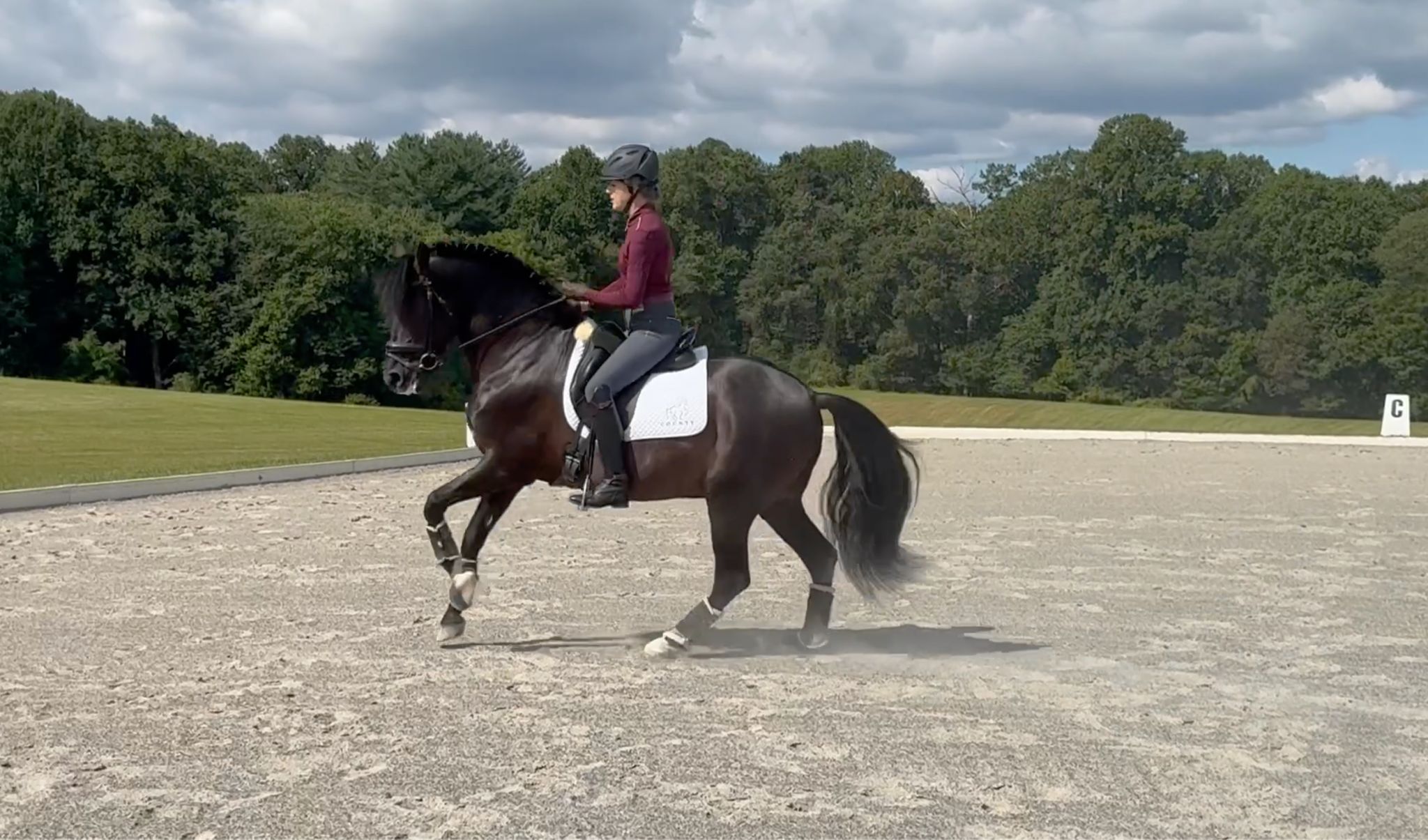
Tips for Success
Use Your Imagination: If you have a jumping background, visualize the "setup" for a jump during your upward transition. For the downward transition, imagine the rhythmic, active snap of riding over trot poles.
Listen to the Horse: Let your horse’s relaxation be your guide. Your goal is to see improvement in their lift and posture without them becoming flustered or anxious.
Quality over Quantity: If the quarter-circle transitions are too much for their current fitness level, stick to the half-circles until the thoracic sling is strong enough to support the quicker shifts.