- Mar 10
Finding Your Rhythm
- Felicitas von Neumann-Cosel
- 0 comments
Did you know that the partnership between a rider and a horse shares a beautiful parallel with ballroom dancing? In both activities, two partners must move in perfect synchronicity, with one—the rider—taking the lead.Think of an upward transition, like moving from a walk to a trot. Taking the first step together in a dance is just like that: the timing must be clear and precise. The rider first synchronizes their body with the horse's movement, and only once that coherence is established, is it possible to lead in the dance.
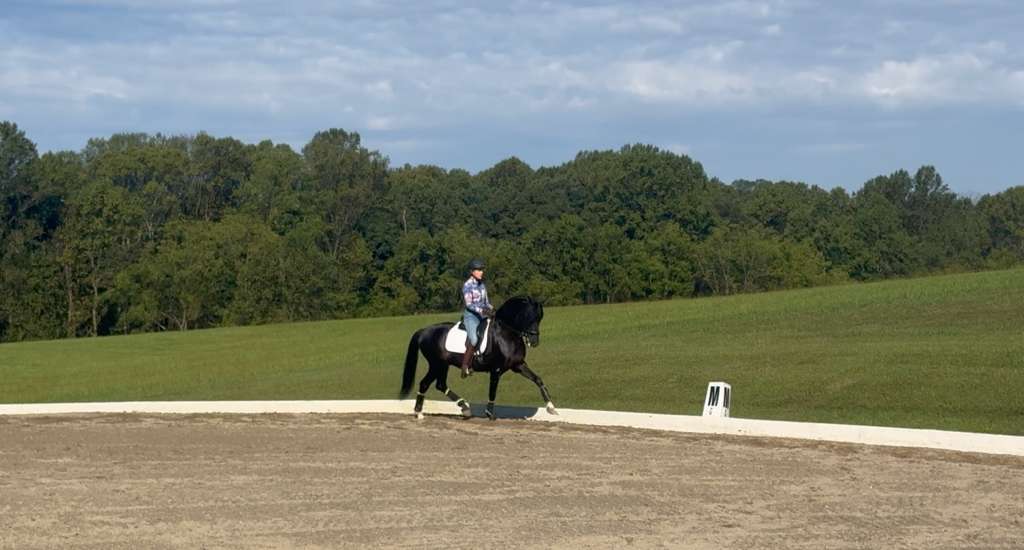
The Feeling of the Dance
When your body is relaxed and following the movement—with your seat absorbing the motion and your leg properly cushioning the shock—you can easily feel the perfect timing of your leg aids. Your calf touches the horse's barrel, almost like a light cuddle. In fact, once you're in sync, the timing of your leg "breathing" on the horse's side becomes automatic in each gait!
Walk: Your leg aids are bi-lateral (alternating sides).
Trot: Your leg aids are lateral (together with the gait's rhythm).
Canter: Your legs are almost working at the same time, but the slight repositioning of the outside thigh and the asymmetrical gait give it a distinct feel.
Even when both legs are cradling the body at the same time, the individual pressure on either leg can vary to help frame the horse, or activate one hind leg more than the other.
To ride a smooth transition, you need an internal metronome to maintain the rhythm and tempo of the gait. This helps you find the exact moment the new impulse from your leg and seat must be given for the horse to seamlessly follow.
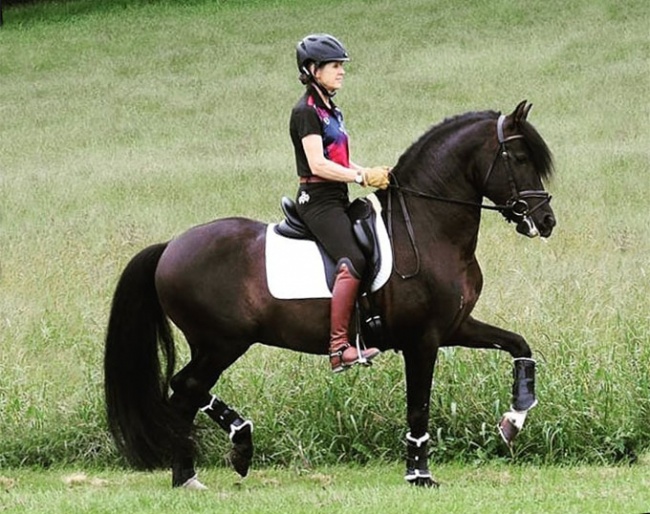
The Enemy of the Dance: Tension
Be aware of tension! If too much pressure or tension creeps into your leg, the horse’s barrel will also tense up and your hips will lose their ability to follow. This instantly breaks the connection, making light, subtle communication with your aids impossible.
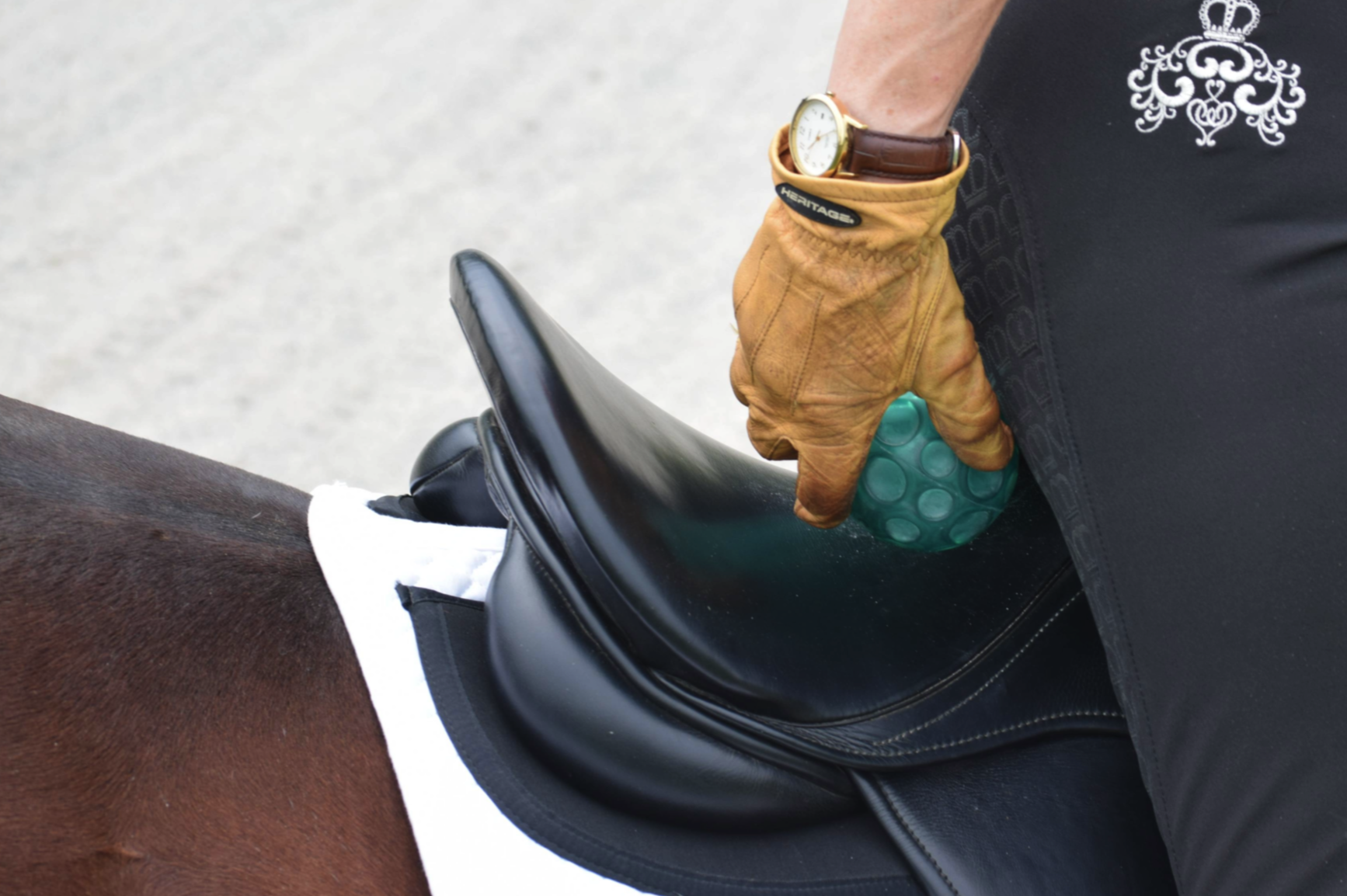
Is your body too stiff to move with your horse during the trot transition?
Tools like Franklin balls can be fantastic for helping you find the necessary movement in your seat and the essential looseness in your leg.
By approaching your ride like an elegant dance, focusing on rhythm, relaxation, and precise timing, you and your horse can move as one.
For effective exercises to help with tension using the Franklin Balls, check out our course on "Tools for Horse and Rider"